Classical music, often used as a blanket term for all orchestral music, was actually a period of music that fell in between the Baroque and Romantic periods, from about 1730 to the mid 1820s.
Classical music was different than Baroque music in terms of structure, instrumentation, and style. The size of the orchestra grew to include more instruments and power, and light elegance was emphasized compared to the seriousness of Baroque music. Classical music typically had one melody with accompaniment, but countermelodies became popular in the later years of the era.
The main types of works composed in the Classical period were sonatas, trios, string quartets, symphonies, and solo concertos, which feature a virtuoso solo performer on violin, flute, piano, or another solo instrument and was accompanied by an orchestra. Instrumental music was considered important by Classical composers, so there were less vocal works composed during this time period. Some of the most famous composers of this era were Mozart, Haydn, Beethoven, and Schubert. Beethoven became popular during the final years of the era, so he is considered both a Classical and Romantic composer. Other transitional figures include Paganini, Rossini, Hummel, and Cherubini.
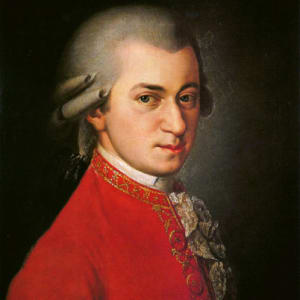
Wolfgang Amadeus Mozart (1756-1791)
Classical music is homophonic, meaning there is typically one instrument playing a melody with a chordal accompaniment. These melodies consist of rhythmically and dynamically contrasting figures, and they are almost always four bars long. This contrasts with Baroque music, as Baroque put the emphasis on soloist repertoire and had one simple melody throughout. Most Classical characteristics were the complete opposite of Baroque music, which brought about many new techniques in eras to come.
Ludwig van Beethoven was a German composer who led the transition between Classical and Romantic music in the nineteenth century.
Beethoven was born on December 16, 1770 in Bonn, Germany. He was born into the profession of music, his father being a singer in the choir of the archbishop-elector of Cologne. His family was quite successful, but when his grandfather died in 1773, they became increasingly poor and his father slipped into alcoholism. Ludwig left school at age 11 and was the breadwinner of the family by age 18.
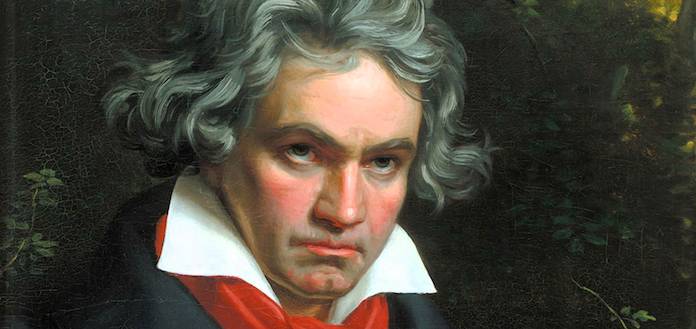
Ludwig van Beethoven (1770-1827)
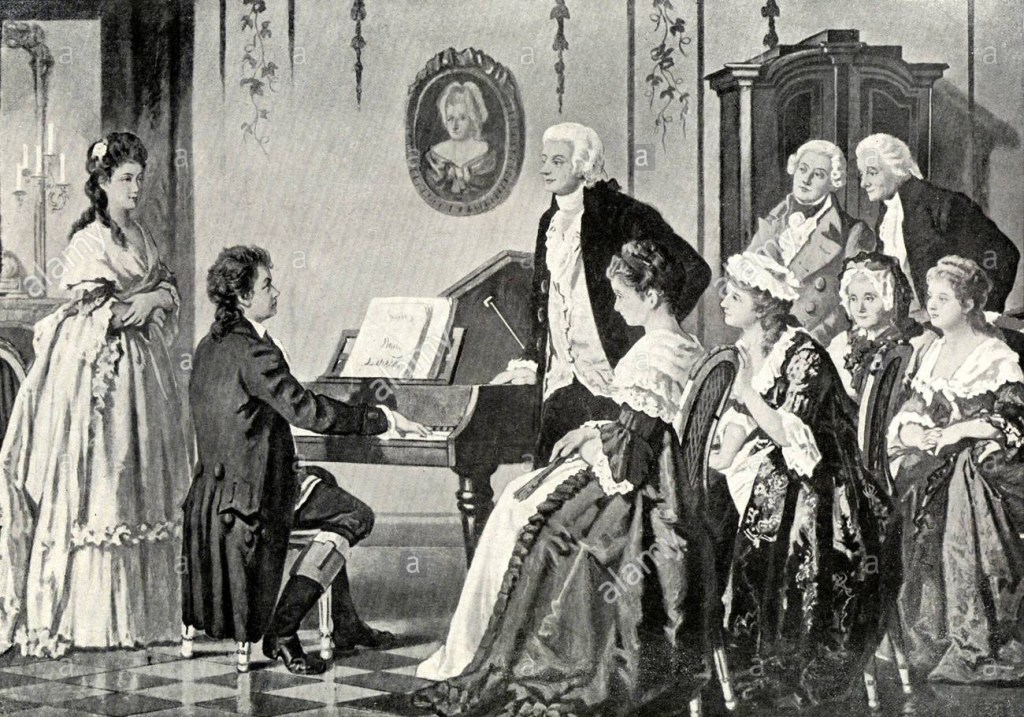
Ludwig’s father attempted to turn him into a child piano prodigy like Mozart, but was unsuccessful; Ludwig didn’t become skilled on the piano until his adolescence. In the 178os, he was appointed continuo player to the Bonn opera, and after four years he had made so much progress that the archbishop-elector sent him to Vienna to work with Mozart. This trip was cut short by the death of his mother, but nevertheless, Mozart was incredibly impressed with Beethoven’s potential as a pianist.
Beethoven playing for Wolfgang Amadeus Mozart at age 17
Throughout his late teens and early twenties, he composed a few pieces for the Bonn opera and sometimes played viola with them. He became known as one of the best musicians in Germany and Austria, and later took lessons with another famous composer, Haydn.
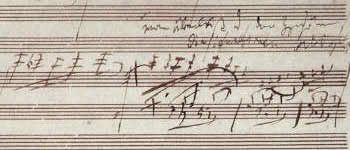
By 1800, Beethoven started to notice that he was going deaf. This was extremely difficult for him, as he had dedicated his entire life to writing and playing music. It came to the point where he almost took his own life. His deafness became total in 1819 and this was when he almost completely converted from playing piano to composing. He had several sketchbooks, many which have been conserved, where he wrote both his conversations with other people and his compositions.
Beethoven’s sketches of his “Pastoral” Symphony
Beethoven composed nine symphonies during his career, as well as hundreds of concertos, sonatas, and pieces for small ensembles such as string quartets and trios. His most famous compositions include Leonore Overture, Polonaise, his Ninth Symphony, which includes the tune Ode to Joy in the final movement, and his Fifth Symphony. His piano concertos and flute sonatas rank among his most popular works.
Beethoven died in Vienna, Austria on March 26, 1827. He is widely known as the greatest composer of all time and led the transition into Romantic music; although his death preceded the start of the Romantic era, there were characteristics of his music that became popular among Romantic composers in decades to come.
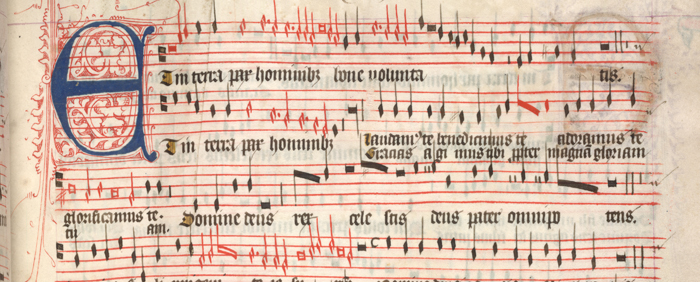
Medieval music was the birth of instrumental and vocal music, beginning in the year 500 and lasting until about 1400. It was mostly Western music and made up of mostly liturgical music (sacred for the church). Religious music from the medieval times included hymns and rhythmic poems. Although medieval music was based around religion, it also consisted of secular/non-religious music that featured a variety of instruments.
During this time period, the foundation for musical notation and theory was laid, which has been used in every type of music since. This notation allowed composers to write out their music on paper, instead of teaching it solely by ear. It also enabled multiple people to read the music at once and over a wider geographic area.
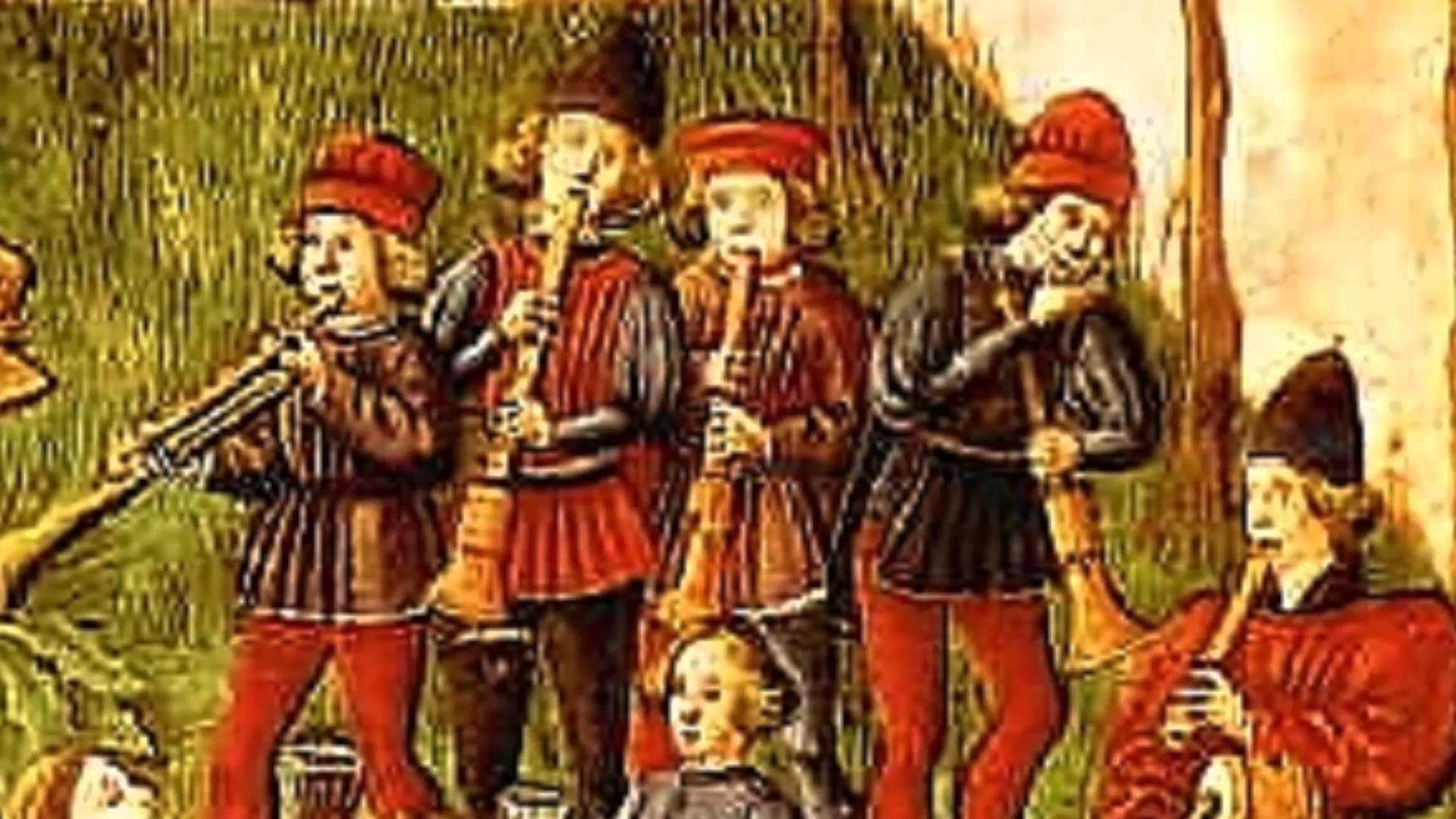
The medieval times introduced several new instruments, and many of them are still used today, just in more technologically advanced forms. The flute was one of the first instruments; originally made of wood rather than silver or other metals, it was made as a side-blown or end-blown instrument. A similar instrument was the recorder, and while today’s version is made with synthetic materials instead of wood, it has retained its form. There were also several string instruments introduced, such as the lute, which is the ancestor of today’s guitar. Other string instruments included the mandore, gittern, psaltery, and citole.
Most medieval music was monophonic, meaning it had a single melody and no harmony or accompaniment. Sometimes, multiple instruments would play the melody together, adding different ornaments to their playing to differentiate themselves from the other player(s).
Romanos the Melodist is one of many composers popular in the medieval times. He lived in the earliest of the medieval period in Greece and is known for his hymns about saints, sacred objects, and religious festivals. He was nicknamed “the Pindar of rhythmic poetry.” Other composers from this time include Jacopo da Bolonga, John Hanboys, Grimace, Bartolino da Padova, and others.
Medieval music is not as popular today as other genres, but it was essential in laying the foundation for today’s musical notation.
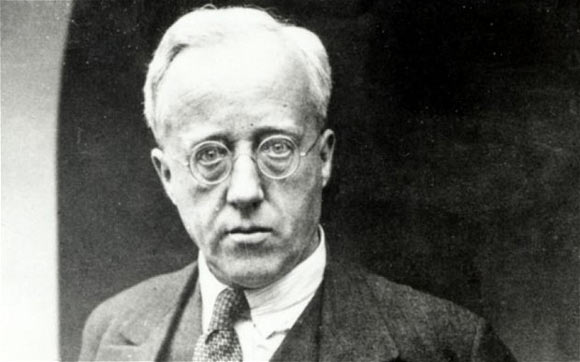
Gustav Holst was a British composer born in Cheltenham, England in 1874. Growing up, he fell in love with the piano, but due to neuritis in his hands, long hours of practice were painful. Because he still wanted to be involved in music as the son of an esteemed pianist, he picked up the trombone and later started to write his own music. He is known mainly for his longest composition, The Planets Suite. This seven-movement work is Holst’s representation of the character of each of the planets in the solar system and has had an influence on film scores today.
During the 1910s, Holst was feeling frustrated with his work; he failed to win a composition competition with his opera Sita, and his longer pieces, The Cloud Messenger and Beni Mora, were not as successful as he wanted them to be. In March of 1913, Holst received an anonymous gift which enabled him to travel to Spain, and there he became friends with an astrologist, Clifford Bax, who inspired Holst’s reborn interest in astrology from his childhood. He became an advocate of the subject and would often cast his friends’ horoscopes for fun.
Gustav Holst (1874-1934)
Composers such as Igor Stravinsky and Arnold Schoenberg inspired Holst to compose The Planets; Mars, the first movement, is stylistically very similar to the works of Stravinsky, and Schoenberg impressed Holst with his Five Orchestral Pieces, Op. 18, which led Holst to label his work in progress as Seven Orchestral Pieces. The suite also includes the styles of late Russian romantic composers, Nikolai Rimsky-Korsakov and Alexander Glazunov.
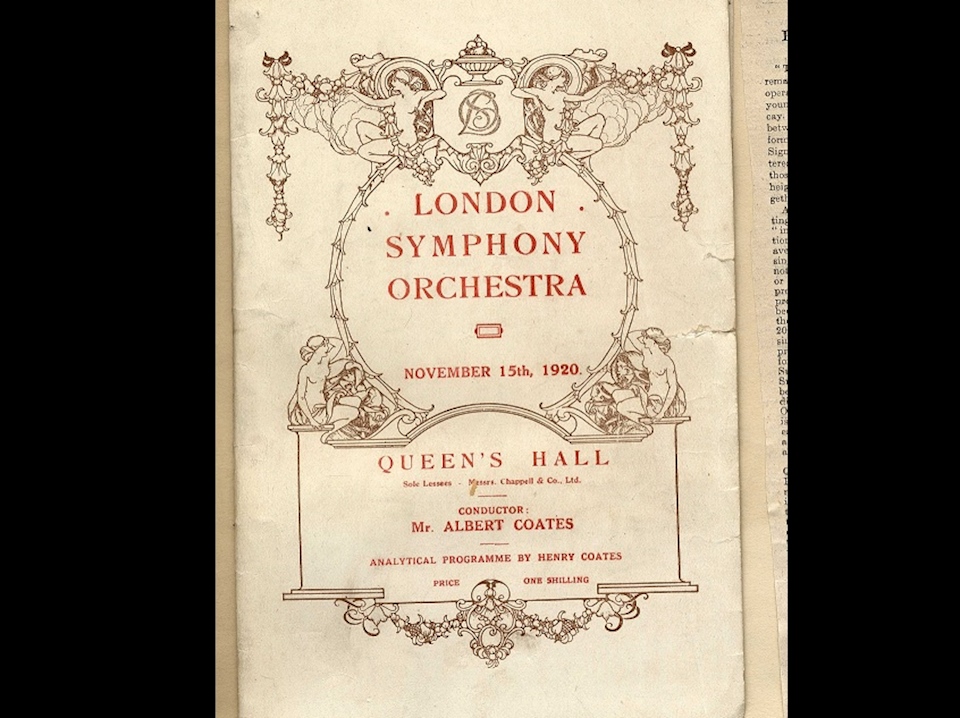
Although Holst completed the suite in 1916, the first public performance was not until November of 1920 by the London Symphony Orchestra. Since then, the piece has been widely performed and frequently recorded, both in individual movements and its entirety. The piece is written for full orchestra made up of strings, woodwinds, brass, and percussion, and Neptune includes parts for women’s choruses. A typical performance of the entire piece is about fifty minutes long.
Each movement of The Planets has its own title, subtitle, and astrological character. The first movement, Mars, The Bringer of War, is very heavy and war-like, and is often seen as one of the most devastating pieces of music ever written. It features the brass and percussion sections and is repetitive as it builds in intensity. Venus, The Bringer of Peace, contrasts with the first movement; it is very tame and relaxing. Mercury, The Winged Messenger, features the woodwind section, and has a flighty and lively character. Jupiter, The Bringer of Jollity, is the most famous movement, and it carries several themes including I Vow to Thee My Country. This movement is powerful, moving, and majestic. Saturn, The Bringer of Old Age, contrasts with Jupiter, being quite unsettling and expanding into a heavy march. This was Holst’s personal favorite movement of the suite. Uranus, The Magician, is boisterous and gallop-like, representing Uranus as the god of the sky. The final movement, Neptune, The Mystic, was originally written for organ, as Holst wanted to represent the mysterious glory of the planet. Neptune has beautiful harmonies, featuring the harp, and includes a choir that gives the piece an other-worldly quality.
The influences of The Planets are often heard in film scores, especially in John Williams’s works; the soundtrack of Star Wars was very much inspired by Holst and includes themes from several of the movements. Although this suite became Holst’s most popular composition, he believed it was overrated compared to some of his other works and did not count it as his best piece. He was, however, partial to his favorite movement, Saturn, and his other pieces grew in popularity as people became aware of his talent.
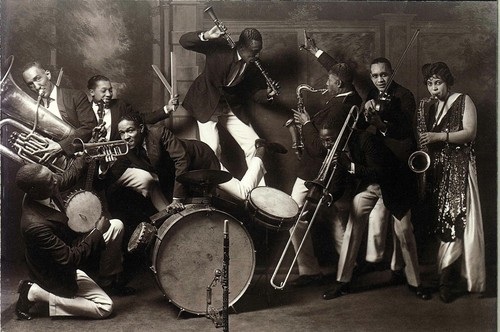
Jazz, compared to classical music, is a quite modern and contemporary genre. It originated in the African-American communities of New Orleans in the late nineteenth and early twentieth centuries. It is often seen as America’s classical music, as the eras of classical music in previous centuries were dominated by Western European countries.
In the Roaring Twenties, jazz became very popular, especially in the South. It was a way for African Americans to have a role in society, as segregation was still prevalent in the U.S. during this time. Figures like Louis Armstrong quickly became popular, inspiring other African Americans to join the movement. It acted as a bridge between whites and blacks through a joint love of music. Jazz also offered relief from the post-war stress, as World War I had just ended. Although the era died down just before the start of the Great Depression in 1929, jazz has lived on in American popular culture.
There are several subgenres of jazz, as well as types of ensembles within the genre. A few of these are chamber jazz, which consists of a small, mainly acoustic ensemble that depends on group interplay, Bossa nova, a Brazilian melodic samba-like type of jazz popular on the west coast, and smooth jazz, a down-tempo style which features a soloist playing over a programmed accompaniment. Most types of jazz combine Western cultural music with African rhythms. The most common form of music within the genre is blues, or a 12-bar rhythm that repeats and has an AABA structure.
Improvisation is a key element of jazz music, which sets it apart from other genres. It embodies the free spirit of the genre, allowing performers to show their own interpretation of the piece. Improvisation is also a way for the players to show off their skills, usually to excite and prompt reactions from the audience. Typically, there is a section of the piece dedicated to improvisation, when several players will stand one after another and play an improvised version of the melody while the other members of the ensemble are playing an accompaniment. Jazz soloists must be open to creativity and not restrained by the strict, traditional music theory structures.
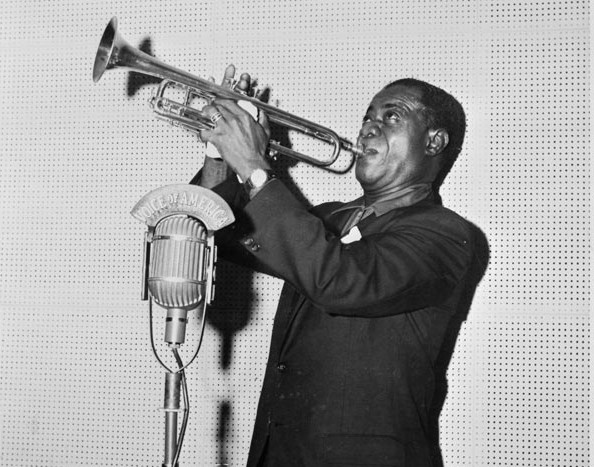
Louis Armstrong (1901-1971)
Jazz is one of the most modern genres of instrumental music, and it represented society in the 1920s but is still prevalent today. Jazz bands are very popular in high school and college music programs and often play as entertainment for public events. Jazz is a way to learn not only a different type of music, but a piece of our nation’s history.
The Romantic Era was not only a movement in terms of music, but also a change in literature, visual art, and cultural norms as we transitioned into the Industrial Revolution. This era began in 1830 and lasted until about 1910, and was in part a revolt against the social and political norms of the Age of Enlightenment.
The Romantic Era was a turning point for all forms of art.
In terms of music, the Romantic era brought about much more expressive and programmatic music, and the size of the orchestra grew to include a larger winds section. The formal restraint of classical music was broken as public concert halls became popular in the middle class; in previous eras, these concerts were only a norm for the upper class and/or aristocrats.
The key elements of Romantic music were emotional expression, elaborate harmonic progressions and longer melodies, new structures and forms (such as the rhapsody, nocturne, and song cycle), and a change in emphasis of the instruments in an orchestra. The dominating type of work in this era was the symphony; typically four movements and the longest type of work, symphonies were able to express the characteristics of the period along with the expansion of the orchestra.
Compared to previous eras, there were several more composers who became popular in the Romantic era. Beethoven is seen as the transitioning composer between Classical and Romantic music; he died in 1827, just before the Romantic period, but his later works exemplify many characteristics of Romantic music. The earliest composers of this era include Chopin, Mendelssohn, Schumann, Liszt, and Berlioz, and later came Mahler, Wagner, Tchaikovsky, and Brahms, as well as many others. The later composers of this era were the heavyweights of Romantic music.
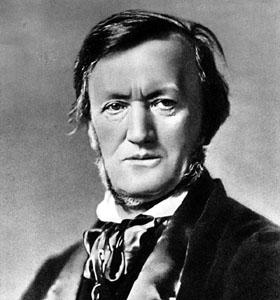
Richard Wagner (1813-1883), a German composer mainly known for his operas.
The Romantic era was one of the most influential eras of music, as it contrasted with society, unlike previous eras of music such as Baroque that were reflections of society. Performing a work from the Romantic era tends to be quite challenging, especially when they require double the amount of, for example, brass players than the typical orchestral piece. Romantic music has had an influence on almost all music that followed it, and it will continue to be a favorite in today’s music world.
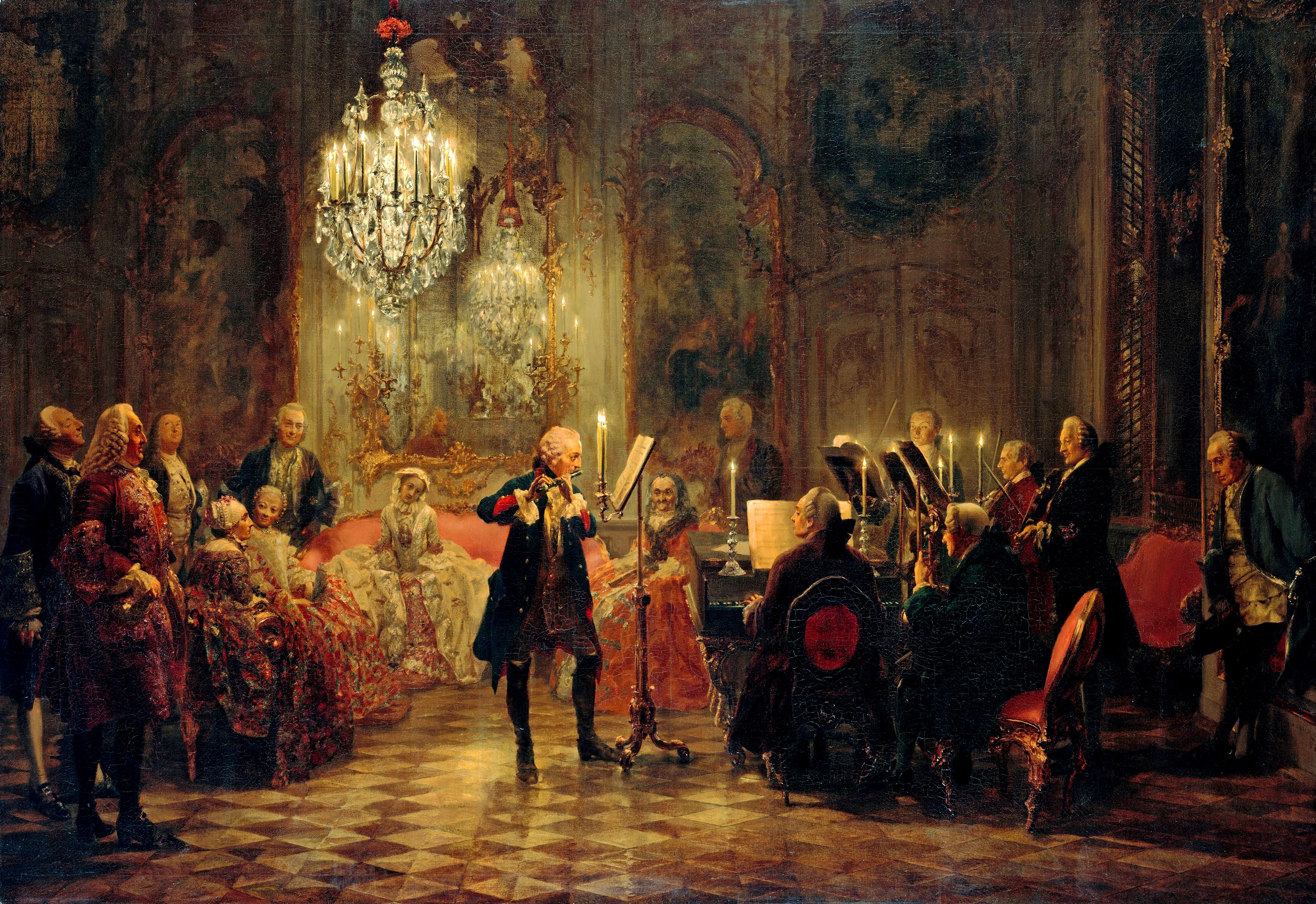
The Baroque Period, a period of Western European music from about 1600 to 1750, was one of the richest periods in music’s history. The term “baroque” is derived from the Portugese word barocco, meaning “oddly shaped pearl.” This period of music was given this name because of the exaggeration and ornamentation of music its composers introduced.
Many of the Baroque composers came from Italy, such as Vivaldi, Corelli, and Monteverdi, and many types of works of the Baroque period originated in Italy, such as the concerto, sonata, opera, and cantata.
By the mid-eighteenth century, the focus shifted from Italian composers to German composers, such as Bach, Telemann, and Handel. Although the Baroque period had a distinct style compared to previous eras of music, national borders played a huge role in its development; Baroque music from Italy is stylistically different than that of France, and the same with Germany or England. Composers from each country developed their own style, and as they traveled through Europe, the styles of other countries had impressions on them.
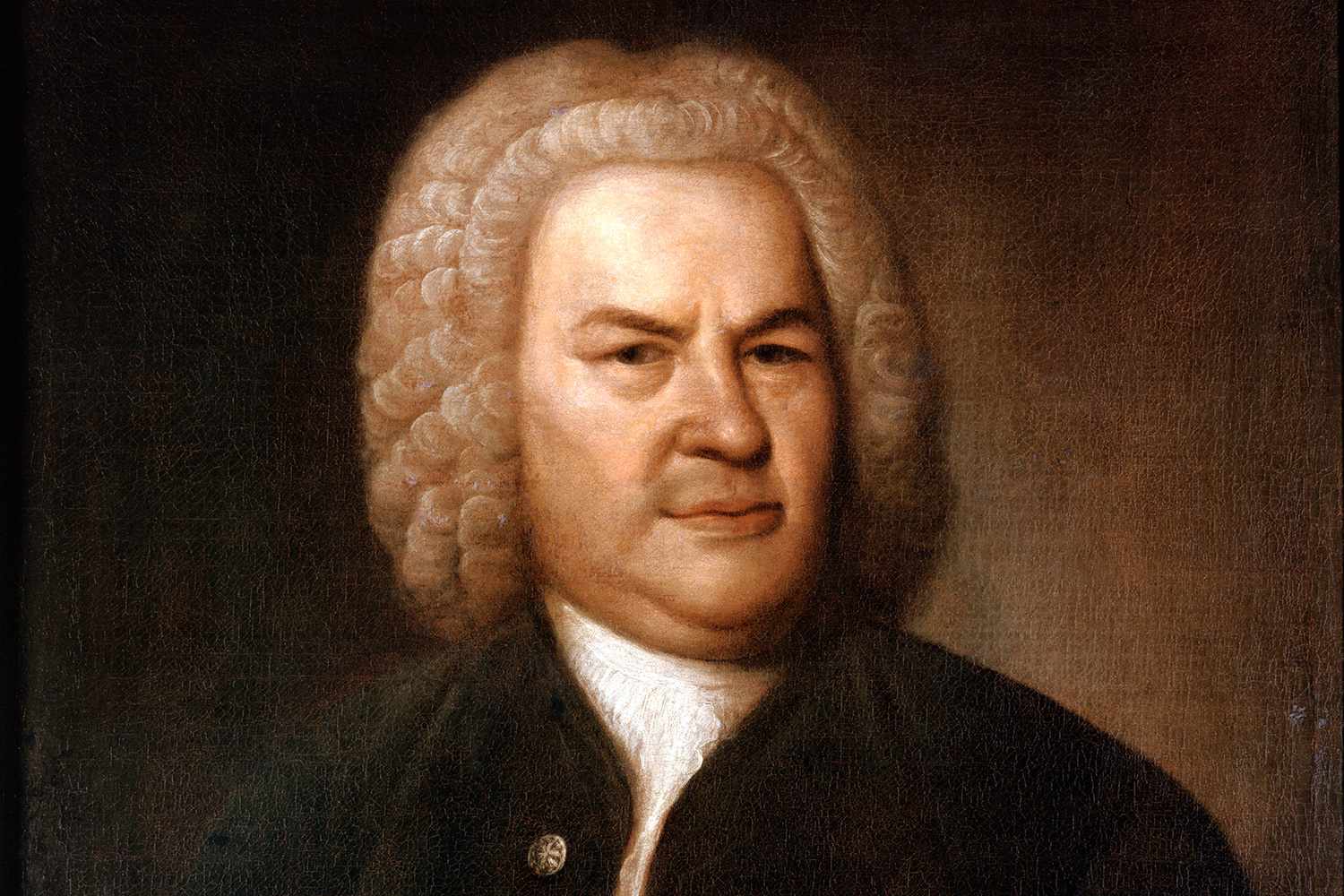
Johannes Sebastian Bach (1685-1750) is known to be one of the greatest composers in the history of music.
One of the main principles of Baroque music was the idea of communicating through music. This idea had been carried through previous eras, such as the Medieval era and the Renaissance period, but it truly came about in the Baroque period and dominated the area; composers became aware of music’s potential power and how it could change people through communication.
The characteristics of Baroque music are quite distinct compared to those of romantic or classical music. This period introduced the articulation of melody and harmony, and Baroque music often has multiple melodies playing simultaneously with an improvised harmony. This music also emphasized the importance of contrast; there was an increased difference between playing loudly and playing softly. Composers in this period were more precise about instrumentation, choosing carefully the timbres they wanted in their work. Brilliant instruments like the violin and trumpet also became more popular.
The Baroque period also sparked growth in vocal music, as the opera became one of the defining musical forms of the era. The first public opera houses opened in Venice in 1637, and solo singers quickly became famous. Operas soon became an Italian tradition and dominated not only the Baroque period but all Western European music for centuries.
While the Baroque period ended over 250 years ago, its influence remains prevalent in today’s music. Works of famous composers from this era are still played in today’s concert halls, and the spirit of Baroque is also seen in the free, improvised style of jazz, which was very popular in the early twentieth century and still is today. Baroque music also had an impact on other genres of music; its characteristics are often heard in the solos of heavy metal guitarists and later composers’ works. The Baroque Period was a turning point in both instrumental and vocal music.
An orchestra is the most popular instrumental ensemble, dating back to the 17th century and consisting of four basic groups of instruments: strings, woodwinds, brass, and percussion. An ensemble with all four of these groups can be called a symphony or philharmonic orchestra. Symphony orchestras can range in size depending on instrumentation or repertoire, but they typically consist of between 70 and 100 musicians.
Strings make up the majority of an orchestra, and within the string section, there are four instruments: the violin, viola, cello, and bass. The violinists sit on the left side of the conductor and are split into first and second violins. Violins are the highest-pitched string instrument, and they have the largest range of abilities, so they usually have the melodic parts of the repertoire and other sections are dependent on them. The principal violinist, the leading player of the first violin section, is called the concertmaster. Violas sit toward the middle of the stage and are the middle voice of the string section; they are between the violins and the cellos. The cellos sit on the right side of the conductor and are the mid-to-low voice of the strings. The basses, who stand behind the cello section, are the lowest of the four instruments. The string section can also include a harpist, who stands alone.
The woodwind section, seated in rows behind the strings in the center of the stage, is made up of flutes, oboes, clarinets, and bassoons. The woodwinds add sparkle to orchestral repertoire and typically are the highest voices. Woodwind parts in orchestras tend to be both difficult and competitive, as there is typically only one player to a part, and the parts are written in a way that brings out the nature of the instrument; for example, piccolo parts (in the flute section) are often written in the third octave and are technically challenging, as the piccolo is known for its sparkly and brilliant sound.
The brass section, seated behind the woodwinds (usually on risers), consists of trumpets and/or cornets, French horns, trombones, and tubas. The brass section is known for being powerful and fanfare-like, again due to the nature of the instruments, and is also one player to a part. The brass carries the rich and full sounds of a symphony orchestra.
The percussion section is often overlooked, yet very important. It consists of pitched instruments (such as the timpani, keyboard, bells, and glockenspiel) and unpitched instruments (such as the bass drum, snare drum, and cymbals). Percussion is located all the way in the back of the stage. Percussion parts range in importance among composers and eras, but has been a main division of the orchestra for centuries.
The conductor of an orchestra is arguably the most important person in the ensemble. He/she stands on a podium overlooking the ensemble and not only conducts to keep time, but acts as a teacher for the instrumentalists when rehearsing the music and determines the interpretation of the repertoire.
While most orchestras are larger than 70 players and contain all four instrument groups, there are smaller ensembles such as chamber orchestras that have a few players to a part and often play without a conductor. Chamber orchestras often specialize in music from the Baroque era, such as that of Bach or Handel, or classical repertoire by Mozart or Haydn, while larger orchestras specialize in music from the Romantic era such as the symphonies of Brahms and Beethoven.
Orchestral music has become decreasingly popular in our society, but will remain important in the history of music as a whole. Almost every city in the world has a performing symphony or chamber orchestra, and music is still being written by modern composers today.
Hey there! I’m Sara, a high school senior from Connecticut. A flutist and prospective music student, I love to share all the aspects of instrumental music from medieval times to the late romantic era; my goal is to broaden society’s knowledge of the basic fundamentals of music and how they shaped today’s film scores and Top 40.
I’m a New Englander, having grown up in Massachusetts and Connecticut, and having lived up here for 17 years has given me a breadth of opportunities in the music world. I spent my high school years playing with honors orchestras in CT and the surrounding states, learning how to better my instrumental skills while being surrounded by very important locations in terms of music (I’m a couple hours from all the major cities, homes of some of the most famous orchestras, conservatories, and musicians in the world).
Read about composers, the makeup of an orchestra, eras of music, and more. I hope to deepen your understanding and appreciation of classical music with my posts.

 Bach to the Future: The Evolution of Music