Classical music, often used as a blanket term for all orchestral music, was actually a period of music that fell in between the Baroque and Romantic periods, from about 1730 to the mid 1820s.
Classical music was different than Baroque music in terms of structure, instrumentation, and style. The size of the orchestra grew to include more instruments and power, and light elegance was emphasized compared to the seriousness of Baroque music. Classical music typically had one melody with accompaniment, but countermelodies became popular in the later years of the era.
The main types of works composed in the Classical period were sonatas, trios, string quartets, symphonies, and solo concertos, which feature a virtuoso solo performer on violin, flute, piano, or another solo instrument and was accompanied by an orchestra. Instrumental music was considered important by Classical composers, so there were less vocal works composed during this time period. Some of the most famous composers of this era were Mozart, Haydn, Beethoven, and Schubert. Beethoven became popular during the final years of the era, so he is considered both a Classical and Romantic composer. Other transitional figures include Paganini, Rossini, Hummel, and Cherubini.
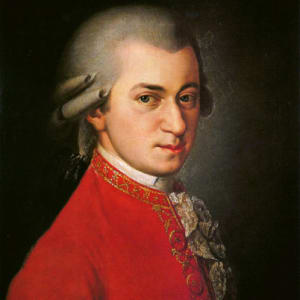
Classical music is homophonic, meaning there is typically one instrument playing a melody with a chordal accompaniment. These melodies consist of rhythmically and dynamically contrasting figures, and they are almost always four bars long. This contrasts with Baroque music, as Baroque put the emphasis on soloist repertoire and had one simple melody throughout. Most Classical characteristics were the complete opposite of Baroque music, which brought about many new techniques in eras to come.

 Bach to the Future: The Evolution of Music