Medieval music was the birth of instrumental and vocal music, beginning in the year 500 and lasting until about 1400. It was mostly Western music and made up of mostly liturgical music (sacred for the church). Religious music from the medieval times included hymns and rhythmic poems. Although medieval music was based around religion, it also consisted of secular/non-religious music that featured a variety of instruments.
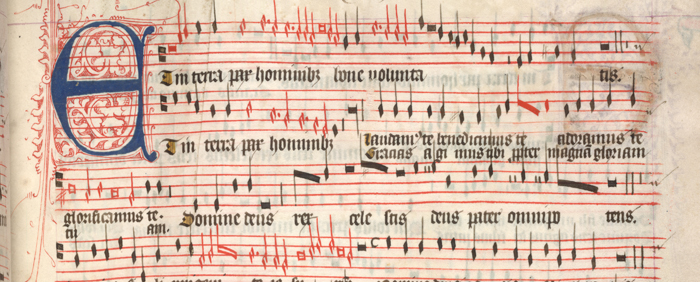
During this time period, the foundation for musical notation and theory was laid, which has been used in every type of music since. This notation allowed composers to write out their music on paper, instead of teaching it solely by ear. It also enabled multiple people to read the music at once and over a wider geographic area.
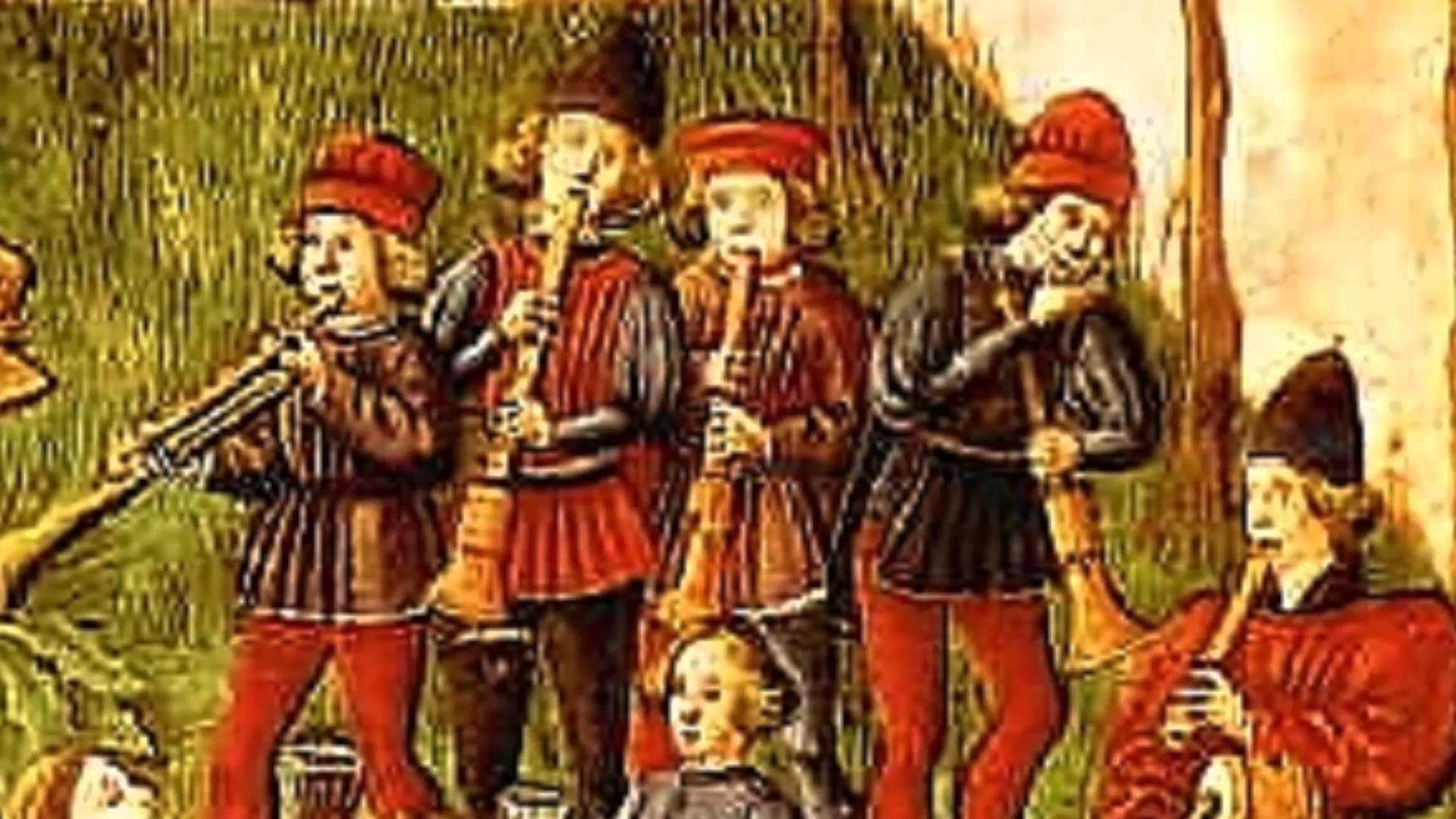
The medieval times introduced several new instruments, and many of them are still used today, just in more technologically advanced forms. The flute was one of the first instruments; originally made of wood rather than silver or other metals, it was made as a side-blown or end-blown instrument. A similar instrument was the recorder, and while today’s version is made with synthetic materials instead of wood, it has retained its form. There were also several string instruments introduced, such as the lute, which is the ancestor of today’s guitar. Other string instruments included the mandore, gittern, psaltery, and citole.
Most medieval music was monophonic, meaning it had a single melody and no harmony or accompaniment. Sometimes, multiple instruments would play the melody together, adding different ornaments to their playing to differentiate themselves from the other player(s).
Romanos the Melodist is one of many composers popular in the medieval times. He lived in the earliest of the medieval period in Greece and is known for his hymns about saints, sacred objects, and religious festivals. He was nicknamed “the Pindar of rhythmic poetry.” Other composers from this time include Jacopo da Bolonga, John Hanboys, Grimace, Bartolino da Padova, and others.
Medieval music is not as popular today as other genres, but it was essential in laying the foundation for today’s musical notation.

 Bach to the Future: The Evolution of Music